

A commercial roof is one of the most important parts of any business property. It protects employees, equipment, inventory, and daily operations from rain, wind, extreme temperatures, and other environmental conditions. When roofing problems occur, they can lead to water damage, expensive repairs, and unexpected interruptions. Working with a professional commercial roofing company helps property owners maintain a durable roofing system and reduce the risk of costly problems.
Commercial roofing projects require specialized knowledge because business buildings often have larger roof areas, different structural requirements, and more complex drainage systems than residential properties. Warehouses, office buildings, retail stores, factories, and apartment complexes may all require different roofing materials and installation methods.
Choosing an experienced contractor can make a significant difference in the roof’s performance, lifespan, and long-term maintenance costs. Understanding the available services, roofing materials, and contractor selection process can help business owners make informed decisions about their properties.
What Does a Commercial Roofing Company Do?
A commercial roofing contractor provides roofing services designed for business properties and other large structures. These services typically include new roof installation, replacement, repairs, inspections, and preventive maintenance. The exact services depend on the contractor’s experience and the type of roofing systems they support.
Roof installation is often required when a business constructs a new building or expands an existing facility. Contractors evaluate the building’s structure, drainage requirements, insulation needs, and intended use before recommending a suitable roofing system. Proper planning helps ensure the roof can withstand local weather conditions and meet the building’s performance requirements.
Roof replacement becomes necessary when an existing system reaches the end of its useful life or develops extensive damage. In some cases, a contractor may recommend repairing the current roof instead of replacing it entirely. A professional assessment helps determine which option offers the best balance between cost, reliability, and long-term value.
Repair services address problems such as leaks, damaged flashing, loose roofing membranes, deteriorating sealants, and drainage issues. Even a relatively small defect can allow moisture to enter a building, so timely repairs are important.
Many contractors also provide inspections and ongoing maintenance programs. These services help identify early signs of deterioration, allowing property owners to address potential problems before they become major expenses.
Common Commercial Roofing Systems and Materials
Selecting the right roofing material is an important part of any commercial roofing project. Different systems offer different levels of durability, energy efficiency, maintenance requirements, and installation costs. A suitable option depends on the building’s design, budget, climate, and operational needs.
Thermoplastic Polyolefin (TPO) is a popular single-ply roofing membrane used on many commercial buildings. It is relatively lightweight and commonly features reflective properties that can help reduce heat absorption. TPO may be suitable for offices, retail buildings, and warehouses, depending on the specific product and installation requirements.
Ethylene Propylene Diene Monomer (EPDM) is a synthetic rubber roofing membrane known for its flexibility and weather resistance. It is frequently used on low-slope roofs and can perform well across a range of temperatures. Its long-term performance depends on proper installation, seam integrity, and regular inspections.
Polyvinyl Chloride (PVC) roofing membranes are another option for commercial properties. PVC systems can offer strong resistance to moisture and certain chemicals, making them useful for some restaurants, industrial facilities, and buildings with specialized requirements. Compatibility with the building’s activities should be evaluated before installation.
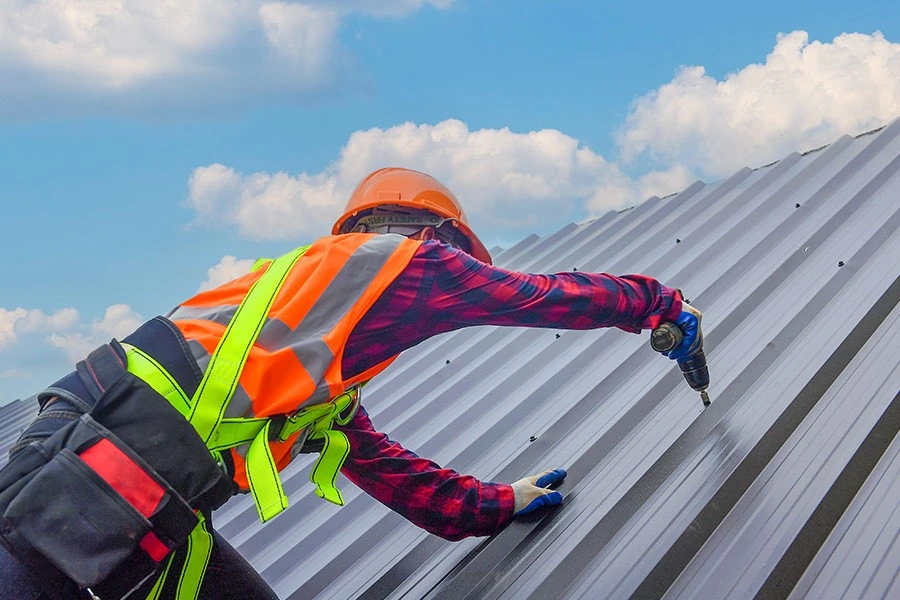
Metal roofing is commonly used on commercial, industrial, and agricultural buildings. Metal systems can provide durability, weather resistance, and a relatively long service life when properly designed and maintained. The choice of metal, protective coating, fastening method, and panel design affects performance.
Built-up roofing (BUR) and modified bitumen systems are traditional options for many low-slope commercial roofs. These systems use multiple layers to create a protective barrier. Their suitability depends on the building structure, local conditions, installation quality, and maintenance plan.
No single roofing material is ideal for every property. A qualified contractor should explain the advantages, limitations, expected maintenance, and estimated lifecycle costs of the available options before making a recommendation.
Benefits of Hiring a Professional Commercial Roofing Contractor
Hiring a qualified roofing professional provides more than a completed installation. It can help businesses protect their assets, maintain safe working conditions, and manage building expenses more effectively.
One major benefit is professional assessment. Experienced contractors understand how roofing materials, drainage systems, flashing, insulation, and structural components work together. They can identify issues that may not be obvious during a basic visual inspection and recommend appropriate solutions.
Quality workmanship is another important advantage. Incorrect installation can cause leaks, premature material failure, poor drainage, and recurring repair costs. A contractor who follows the roofing system manufacturer’s requirements and applicable building codes can help reduce these risks.
Professional roofing services can also support better energy performance. Depending on the building and climate, reflective roof surfaces, suitable insulation, and properly sealed penetrations may help control indoor temperatures. This can reduce the workload on heating and cooling equipment, although actual savings depend on several factors.
Safety is particularly important for commercial properties. Roofing work often involves elevated surfaces, heavy materials, specialized equipment, and potential fall hazards. Established contractors should have appropriate safety procedures, trained workers, and suitable insurance coverage.
Finally, professional documentation can make future maintenance easier. Inspection reports, repair records, material specifications, and warranty information help property managers understand the roof’s condition and plan future spending.
Signs Your Commercial Roof Needs Repair or Replacement
Commercial roofs can deteriorate gradually, and visible damage may appear only after a problem has developed. Regular inspections help property owners identify warning signs before they affect the interior of the building.
Water stains on ceilings, damp walls, or unexplained moisture near roof penetrations may indicate a leak. However, the visible location of water damage does not always reveal the exact entry point because moisture can travel along structural components before appearing indoors.
Standing water is another concern, especially on low-slope roofs. If water remains after an appropriate drainage period, the roof may have blocked drains, inadequate slope, structural deflection, or another drainage problem. A contractor should determine the cause instead of treating the standing water as an isolated issue.
Other warning signs include cracked sealants, loose flashing, damaged membrane seams, blistering, corrosion, and visible punctures. On metal roofs, loose fasteners or deteriorating protective coatings may also require attention.
Interior problems can provide additional clues. Unusual odors, persistent humidity, peeling paint, or damaged insulation may indicate moisture intrusion. If the building experiences repeated leaks despite previous repairs, the underlying roofing system may need a more comprehensive assessment.
The decision to repair or replace a roof should consider its age, current condition, repair history, remaining service life, and the cost of continued maintenance. A professional inspection can help compare these options. Replacement is not automatically necessary whenever a leak occurs, and repairs may not be cost-effective when widespread deterioration is present.
How to Choose the Right Commercial Roofing Company
Choosing a roofing contractor requires careful research because the quality of the work can affect a building for many years. Business owners should compare more than the initial estimate when evaluating potential providers.
Start by reviewing the contractor’s experience with commercial buildings similar to yours. Roofing a small retail property may involve different challenges from roofing a large warehouse, manufacturing facility, or multi-story office building. Ask about previous projects involving the same roofing material and building type.
Verify relevant licenses, registrations, insurance, and other credentials required in your location. Depending on the project and jurisdiction, you may need to confirm that the contractor carries appropriate liability insurance and workers’ compensation coverage. Request documentation rather than relying only on verbal assurances.
References and project portfolios can also provide useful information. Ask previous clients about communication, scheduling, workmanship, cleanup, and how the contractor handled unexpected problems. Online reviews may offer additional insight, but they should be considered alongside other evidence.
Request a written estimate that clearly explains the scope of work. It should identify the proposed materials, preparation requirements, installation method, drainage work, cleanup, project timeline, and payment terms. If repairs are recommended, the estimate should explain the problem being addressed and the expected result.
Warranty terms deserve special attention. Ask what is covered by the manufacturer’s warranty and what is covered by the contractor’s workmanship warranty. Understand any maintenance requirements, exclusions, and procedures for reporting problems.
Communication is equally important. A dependable contractor should answer questions clearly, explain technical issues in understandable language, and keep you informed about scheduling and progress. For an occupied business property, discuss how the work will affect employees, customers, deliveries, and daily operations.
Avoid choosing a contractor based solely on the lowest price. An unusually low estimate may exclude necessary work or involve materials that are unsuitable for the building. Comparing detailed proposals helps you evaluate value rather than price alone.
Commercial Roof Maintenance and Long-Term Cost Management
Regular maintenance is one of the most practical ways to extend the service life of a commercial roofing system. Even durable materials can develop problems when drains become blocked, flashing deteriorates, or minor damage goes unnoticed.
A maintenance program generally begins with periodic inspections. The appropriate frequency depends on the roof type, local weather, building use, manufacturer recommendations, and the roof’s condition. Additional inspections may be appropriate after severe storms or when nearby construction activities could affect the roof.
During an inspection, a contractor may check seams, flashing, penetrations, drainage outlets, surface damage, and signs of moisture. They may also examine rooftop equipment and the areas around HVAC units, vents, and access points, where leaks can sometimes develop.
Keeping drains and gutters clear is particularly important for systems that rely on efficient water removal. Leaves, debris, and other obstructions can prevent proper drainage and increase the risk of water accumulation. Maintenance work should be performed safely by qualified personnel.
Businesses should also maintain records of inspections, repairs, photographs, and warranty documents. These records help identify recurring issues and support better decisions about future repairs or replacement.
Long-term cost management means looking beyond the initial installation price. A less expensive system may require more frequent maintenance, while a higher upfront investment may offer better durability or energy performance in a particular setting. Comparing expected service life, repair needs, energy considerations, and replacement costs provides a more complete picture.
Property managers should also establish a realistic roofing budget. Planning for routine maintenance and eventual replacement can reduce the financial impact of unexpected failures. Addressing minor defects early is often less disruptive than dealing with widespread water damage or an emergency roof replacement.
Final Thought
A commercial roofing company plays an important role in protecting business properties, maintaining building performance, and preventing avoidable repair expenses. From installing a new roofing system to repairing leaks and providing ongoing maintenance, the right contractor can help property owners manage roofing needs with greater confidence.
The best choice depends on the building’s requirements, the contractor’s experience, the quality of the proposed materials, and the clarity of the project estimate. Taking time to compare qualifications, review warranties, and understand the recommended work can prevent costly mistakes.
Commercial roofing should be treated as a long-term investment rather than a one-time construction expense. With professional installation, timely repairs, and a consistent maintenance plan, businesses can protect their facilities and make more informed decisions about the future of their properties.
