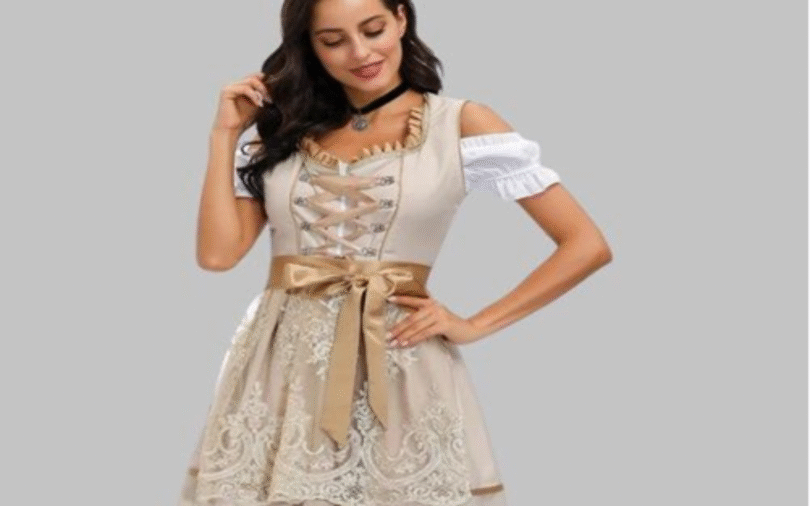
A dirndl dress is one of the most recognizable and elegant traditional garments in Europe. Originally worn by women in the Alpine regions of Germany, Austria, and parts of Switzerland, the dirndl has evolved from everyday workwear into a fashionable outfit for festivals, weddings, cultural events, and themed celebrations. Today, the dirndl dress combines classic heritage with modern trends, making it a favorite among women who appreciate timeless fashion.
Whether you’re planning to attend Oktoberfest, a folk festival, or simply love unique cultural clothing, understanding the history, features, and styling options of a dirndl dress can help you choose the perfect one for your wardrobe.
What Is a Dirndl Dress?
A dirndl dress is a traditional Alpine dress consisting of three main pieces:
- A fitted bodice
- A full skirt
- A decorative apron
It is usually worn with a white blouse underneath, featuring puff sleeves or lace details. While traditional dirndls were designed for practical farm work centuries ago, modern versions come in a wide range of fabrics, colors, and styles suitable for both casual and formal occasions.
Today, the dirndl dress symbolizes Bavarian and Austrian culture while remaining a fashionable choice for women around the world.
The History of the Dirndl Dress
The dirndl originated during the 19th century as practical clothing for women working in rural Alpine communities. The name “dirndl” comes from the Bavarian dialect word for “young woman” or “girl.”
Originally made from durable fabrics, these dresses allowed women to work comfortably while maintaining a neat appearance. Over time, wealthy families admired the rural style and adapted it into fashionable clothing.
By the early 20th century, the dirndl became associated with traditional celebrations, and today it is an iconic outfit worn during Oktoberfest and many cultural festivals throughout Europe.
Why the Dirndl Dress Remains Popular
The popularity of the dirndl dress continues to grow because it combines elegance, tradition, and versatility.
Flattering Fit
A well-fitted dirndl emphasizes the waist while creating a graceful silhouette. The structured bodice provides shape, and the flowing skirt offers comfort and freedom of movement.
Rich Cultural Heritage
Many women enjoy wearing a dirndl because it celebrates centuries of European tradition and craftsmanship.
Versatile Style
Modern dirndl dress come in both traditional and contemporary designs, making them suitable for:
- Oktoberfest
- Folk festivals
- Weddings
- Holiday celebrations
- Cultural events
- Costume parties
- Traditional dances
- Family gatherings
Parts of a Traditional Dirndl Dress
Understanding each component helps when selecting the right outfit.
Bodice
The bodice is fitted to accentuate the waist and often includes decorative buttons, lacing, embroidery, or hooks.
Blouse
The blouse is worn underneath the bodice. It may feature:
- Puff sleeves
- Lace trim
- Short sleeves
- Off-the-shoulder necklines
- High-neck styles
Different blouse designs create unique looks while maintaining the traditional appearance.
Skirt
The skirt usually falls around the knee or below, although modern designs are available in mini, midi, and full-length styles.
Apron
The apron completes the outfit and often features beautiful embroidery, satin ribbons, or lace details.
Interestingly, the placement of the apron bow traditionally carries meaning:
- Left side: Single
- Right side: Married or in a relationship
- Center front: Virgin or very young
- Back: Widow, waitress, or depending on local customs
Although many people still follow these traditions during festivals, modern wearers often tie the bow wherever they prefer.
Choosing the Perfect Dirndl Dress
Finding the right dirndl depends on several factors.
Length
Dirndls are available in various lengths:
Mini Dirndl
Modern and youthful, ideal for casual events.
Midi Dirndl
The most popular choice for Oktoberfest, balancing tradition and practicality.
Long Dirndl
Elegant and sophisticated, often worn for weddings or formal occasions.
Fabric
Popular materials include:
- Cotton
- Linen
- Velvet
- Satin
- Silk
- Polyester blends
- Jacquard
Natural fabrics offer comfort, while luxurious materials create a more formal appearance.
Wearing a Dirndl Dress for Oktoberfest
Oktoberfest is one of the biggest reasons people purchase a dirndl dress.
When choosing one for the festival, look for:
- Comfortable fabrics
- Proper fit
- Secure bodice
- Breathable materials
- Durable apron
- Traditional colors
Pair your dress with comfortable shoes since you’ll likely spend many hours walking, dancing, and enjoying the festivities.
Modern Dirndl Fashion
Fashion designers continue to reinvent the traditional dirndl while respecting its heritage.
Modern trends include:
- Minimalist designs
- Floral embroidery
- Velvet bodices
- Lace sleeves
- Contemporary color combinations
- Shorter hemlines
- Sustainable fabrics
These updated styles appeal to younger generations while preserving the dress’s cultural significance.
Caring for Your Dirndl Dress
Proper care helps your dirndl stay beautiful for years.
Follow these care tips:
- Read the care label before washing.
- Hand wash delicate fabrics when recommended.
- Use mild detergent.
- Avoid harsh bleach.
- Air dry when possible.
- Iron carefully using the correct temperature.
- Store on a padded hanger to maintain its shape.
If your dirndl features embroidery or delicate embellishments, professional cleaning may be the safest option.
Visit it: https://clothingstores.us/
Common Mistakes When Buying a Dirndl Dress
Avoid these common shopping errors:
- Choosing the wrong size
- Ignoring fabric quality
- Buying uncomfortable shoes
- Selecting poor-quality stitching
- Forgetting to purchase a matching blouse
- Overlooking apron quality
- Wearing accessories that clash with the traditional style
Investing in a well-made dirndl ensures better comfort, durability, and appearance.
Why Every Fashion Lover Should Try a Dirndl Dress
The dirndl dress is more than traditional clothing—it is a celebration of culture, craftsmanship, and timeless beauty. Its flattering silhouette suits many body types, while the wide variety of styles allows every woman to find a design that matches her personality.
Whether you prefer a classic Bavarian look or a modern interpretation with contemporary colors and fabrics, a dirndl dress offers endless styling possibilities. Its versatility means it can be worn for festive occasions, cultural events, themed parties, or even elegant celebrations.
Conclusion
A dirndl dress beautifully blends history, elegance, and modern fashion. With its fitted bodice, flowing skirt, decorative apron, and charming blouse, it remains one of the most iconic traditional outfits in the world. From its humble beginnings as Alpine workwear to its status as a symbol of Bavarian culture and Oktoberfest celebrations, the dirndl continues to captivate fashion enthusiasts everywhere.
When choosing a dirndl dress, focus on quality materials, a flattering fit, and accessories that complement the outfit. With proper care, a well-made dirndl can remain a cherished part of your wardrobe for years. Whether you’re embracing tradition or simply looking for a unique and stylish dress, a dirndl dress is a timeless choice that never goes out of fashion.